Best Food Containers & Packaging
How to Pick the Ideal Food Packaging Boxes for Your Retail Business
Selecting the best food packaging containers is crucial for all retail businesses. The decision-making process includes various factors, including materials, design, and environmental considerations. Each factor contributes meaningfully in preserving product quality and attracting customers. Retailers must evaluate how these factors match their brand image and industry standards. Understanding these details can prove decisive in business success. Which key factors should companies focus on to guarantee the best packaging choices?
How Food Packaging Impacts Retail Success
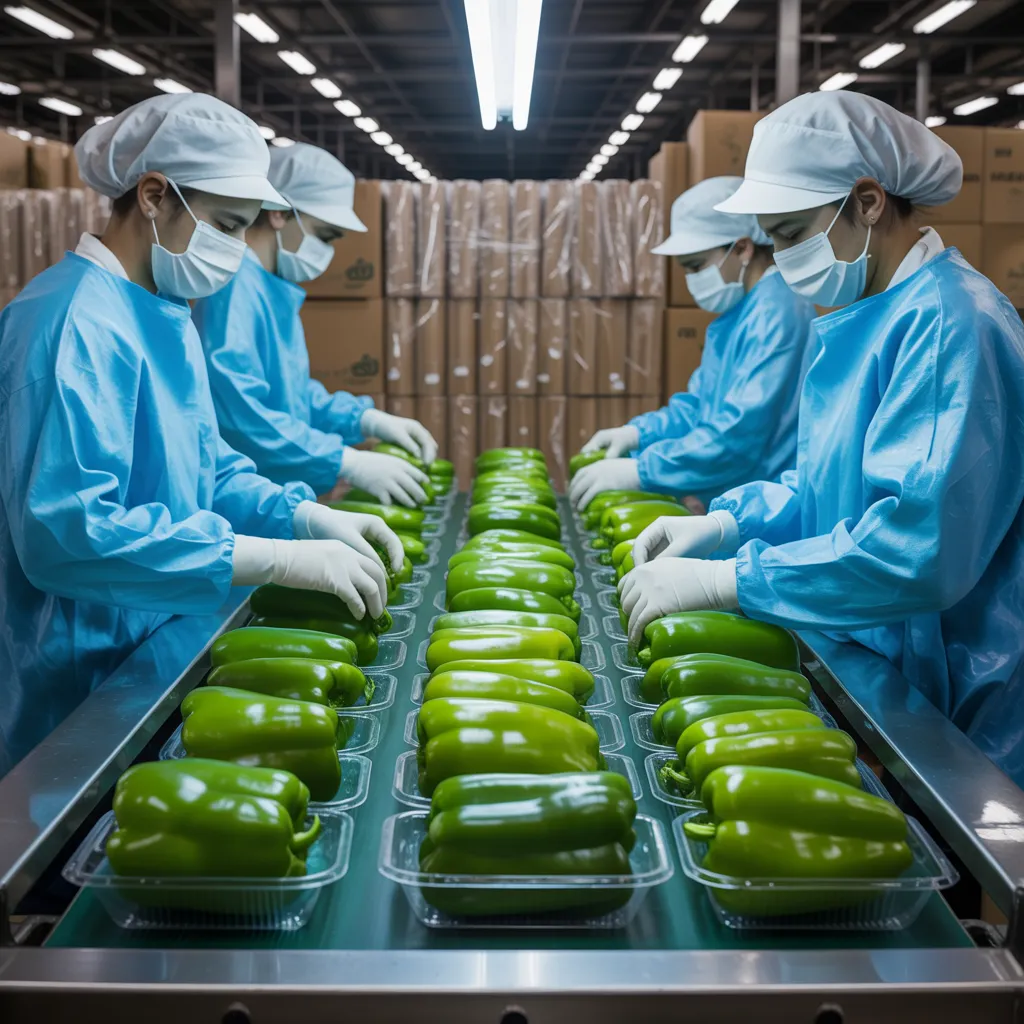
Food packaging serves an important role in the performance of retail operations by influencing consumer perceptions and purchasing decisions. Well-designed packaging acts as a wordless brand ambassador, conveying essential details about the item while establishing an attractive brand presence. It captures attention on crowded shelves and can set a product apart from rival brands.
Beyond this, packaging offers consumers peace of mind regarding product quality and safety, which is essential in the food industry. Precise labeling, appealing designs, and environmentally responsible materials can strengthen brand loyalty and promote repeat purchases. In addition, purposeful packaging can reflect the brand's vision and message, building a more meaningful connection with the buyer.
As e-commerce continues to grow, packaging has become essential in ensuring that products arrive intact and copyright their overall presentation, affecting consumer reviews and overall satisfaction. When all is considered, strategic packaging plays a major role in increasing revenue and supporting sustained retail achievement.
Fundamental Materials for Food Packaging
Selecting the correct materials for food packaging is vital for upholding product integrity and ensuring safety. Different materials perform distinct purposes, affecting both preservation and user experience. Commonly used options include paperboard, which offers durability and recyclability, making it an eco-friendly alternative. Plastic, particularly PET and HDPE, offers excellent barrier properties, protecting food from moisture and contamination. Glass containers are favored for their inert nature, maintaining flavor and preventing chemical interactions.
Metallic packaging solutions, like aluminum cans, is perfectly suited for prolonging shelf life, most notably for perishable products. Additionally, biodegradable and compostable materials are growing in demand, aligning with green initiatives. Every material's compatibility, cost, and availability with various food products must be considered. Ultimately, identifying the ideal packaging material not only protects food quality but also reflects a business's commitment to environmental responsibility and safety.
How to Design Packaging That Attracts Customers
Impactful packaging design serves a critical function in capturing customer attention and increasing brand awareness. In order to reach this objective, companies need to concentrate on a number of essential factors. First, color selection is essential; vibrant colors can evoke emotions and catch the eye, while more subdued tones can convey sophistication. Second, font choices should be clean and easy to read, making certain that brand identities and product details can be quickly understood.
Incorporating creative forms or frameworks can also make a product stand out on packed display shelves, creating a memorable experience for shoppers. Furthermore, imagery that reflects the product's quality or origin can further entice customers. Ultimately, weaving a storytelling component or brand message into the packaging cultivates a meaningful relationship with the core audience, driving involvement and lasting dedication. Through deliberately blending these aspects, enterprises can design packaging that not only gains visibility but also supports their brand recognition.
Sustainable Methods in Food Packaging: The Reasons They Matter
As consumers continue to prioritize ecological responsibility, the importance of sustainable practices in food packaging cannot be emphasized enough. Retail companies are acknowledging the necessity of adopting eco-friendly materials that help reduce waste and lower their carbon footprint. Green packaging alternatives, such as biodegradable, compostable, or recyclable materials, not only resonate with environmentally mindful consumers but also boost brand reputation.
Adopting sustainability strategies promotes openness and responsibility, enabling organizations to align with the standards of their intended audience. In addition, regulatory trends are shifting towards stricter green regulations, rendering it necessary for companies to implement environmentally responsible packaging options.
Adopting sustainable practices can generate long-term economic advantages, as businesses may reduce waste expenses and enhance productivity. In the end, adopting green solutions for food packaging is not just a moral decision; it is a strategic move that establishes businesses competitively in an growing environmentally conscious marketplace.
Striking the Perfect Balance Between Cost and Quality in Packaging
Within the retail food sector, balancing cost and quality in packaging is essential for success. Companies must thoroughly assess material choices to guarantee durability while also implementing economical design solutions that attract consumers. This balance can notably impact both profit margins and brand image.
Assessing Material Choices
Selecting the most suitable option for food storage boxes requires a detailed evaluation of both cost and quality. Multiple options, such as cardboard, plastic, and biodegradable options, provide distinct benefits and limitations. Cardboard is frequently cost-effective and recyclable, establishing it as a popular choice among retailers. Nevertheless, its durability may occasionally fail to address the requirements of particular perishables. Synthetic material provides superior protection against moisture and can extend storage duration, but its ecological footprint raises challenges. Sustainable materials, though typically costlier, complement environmental objectives and appeal to eco-conscious consumers. In the end, the evaluation process should balance these considerations, guaranteeing the selected option protects the item while also addressing budget constraints and brand values.
Cost-Effective Design Strategies
Achieving a balance between expenses and standards in the design of food packaging requires careful planning and innovative thinking. Businesses in the retail sector should look into using standardized packaging sizes to lower manufacturing expenses while optimizing the use of resources. Employing simple yet eye-catching designs can boost brand recognition without incurring high expenses. Moreover, opting for versatile materials enables diverse packaging uses, reducing waste while optimizing resource use. Partnering with suppliers to investigate bulk buying opportunities can additionally reduce expenses. Finally, integrating environmentally responsible methods, such as sustainable or decomposable materials, not only resonates with sustainability-focused shoppers but can also generate enduring cost reductions. By implementing these cost-effective strategies, businesses can attain packaging solutions that satisfy quality standards without exceeding budgets.
Assessing Packaging Choices: Essential Questions to Ask
How should a retail business go about choosing the most suitable food packaging boxes? Selecting the right packaging solution demands close attention to several critical factors. First, businesses should assess the material's suitability for the food type being packaged. Is it food-safe and capable of preserving freshness? Additionally, the design must be taken into account—does it reflect the brand's image while remaining practical for end users?
Expense is another vital factor. Can the business maintain quality while staying within budget? Additionally, businesses should assess the packaging's eco-friendliness. Are there eco-friendly options that reduce environmental impact?
Ultimately، storage and transportation logistics cannot be disregarded. Will the packaging be easy to store and transport without damage? By addressing these questions, retail companies can make informed decisions that enhance product appeal and guarantee customer satisfaction.
Frequently Asked Questions
What Are the Common Food Packaging Regulations I Should Know?
Standard food documentation packaging standards involve adherence to safety standards, labeling specifications, material safety, and environmental guidelines. Furthermore, businesses are required to ensure that packaging avoids contamination and sustains product integrity over the course of its shelf life.
How Can I Test the Durability of My Product Packaging?
To test packaging durability, one must carry out drop tests, compression tests, and moisture resistance evaluations. Examining how packaging holds up under various environmental conditions and handling procedures will provide insights into its overall strength and reliability for product protection.
Can I Customize Packaging for Seasonal Promotions?
Certainly, packaging customization is possible for time-specific promotions. Companies frequently create special colors, graphics, and materials that align with the promotional theme, increasing attractiveness while powerfully expressing the marketing message to capture the attention of customers during festive periods.
What Are the Top Best Practices for Packaging Food for Delivery?
Proper food packaging for delivery involves employing robust, insulated materials to retain temperature, providing leak-proof construction, and adding clear labeling for ingredients and handling guidelines. Additionally, eco-friendly options enhance customer appeal and environmental responsibility.
How Do I Handle Packaging Waste in My Business?
To address packaging waste efficiently, businesses should implement recycling programs, adopt biodegradable packaging options, and invite customers to recycle their packaging. Routine assessments can also uncover opportunities to minimize waste, fostering a more sustainable approach to operations.